Your cart is empty



“Clean Eating” Isn’t the Right Choice for Most Bariatric Patients
Why "Clean Eating" Isn't Always Ideal After Bariatric Surgery
A Controversial Topic in Medical Weight Loss
By: Dr. Huffman, Board-Certified Bariatric Physician
After undergoing gastric bypass or gastric sleeve surgery, many patients are highly motivated to overhaul their diets. Naturally, the popular "clean eating" diet, which focuses on whole, unprocessed, raw, and natural foods, seems like the perfect path. However, bariatric anatomy fundamentally changes how the body digests and absorbs food.
While clean eating is a great framework for the general population, it can actually hinder a bariatric patient's recovery, lead to malnutrition, and cause severe physical discomfort. Everyone is different, and some of these rules pertain only to a specific phase of the bariatric post-op diet. I’m going to give you 10 reasons why clean eating is not always ideal after weight loss surgery.
1. Your Stomach is Simply Too Small
Clean eating encourages big, filling meals like giant salads or large bowls of veggies. After surgery, your stomach is about the size of an egg. You physically cannot eat enough bulky, raw vegetables to get the calories and nutrients your body needs to survive.
2. You Actually Need "Processed" Protein
To prevent hair loss and keep your muscles strong, you need about 60 to 80 grams of protein every single day. In the beginning, it is almost impossible to get that much protein just from eating whole foods. You have to rely on protein shakes, powders, and bars—things that strict clean eaters usually avoid because they are "processed."
3. Raw Veggies Can Cause Blockages
Clean diets are full of tough fiber, like raw vegetables, fruit skins, and whole grains. For a newly healing stomach, tough, stringy foods (like celery or asparagus) are very hard to break down. They can get stuck and cause painful stomach blockages.
4. "Natural" Sugar Can Make You Sick
Clean eating avoids artificial sweeteners, telling people to use honey, agave, or maple syrup instead. But for a bariatric patient, real sugar can trigger Dumping Syndrome. This is a scary physical reaction that causes sweating, dizziness, a racing heart, and diarrhea. Sugar-free, artificially sweetened foods are actually a much safer choice to avoid getting sick.
5. You Have to Take Manufactured Vitamins
Because your digestive system was changed, your body doesn't absorb vitamins as well as it used to. Clean eating says you should get all your vitamins naturally from your food. For a gastric bypass or gastric sleeve patient, that is medically impossible. You must rely on daily, manufactured vitamin pills to stay healthy.
6. Protein Must Come Before Healthy Carbs
Foods like quinoa, beans, and whole grains are definitely considered healthy carbs. But on a bariatric diet, protein is more important. If you fill your tiny stomach with heavy, complex carbs, you won't have any room left for the protein your body needs to heal.
7. Food Needs to be Soft, Not "Whole"
Clean eaters like their food in its most natural state. But weight loss surgery patients have to go through stages of liquid, pureed, and soft foods. Even later on, meats often need to be cooked in sauces or gravies so they are moist and easy to swallow. A plain, dry, grilled chicken breast often won't sit well in a bariatric stomach.
8. You Cannot Drink Water With Your Meals
Clean eating often tells you to drink plenty of water while you eat. Bariatric patients have a strict rule: wait 30 minutes between eating and drinking (The 30-30 Rule). If you drink while you eat, you can stretch your stomach pouch or wash the food out too fast, which will make you feel hungry again very quickly.
9. Healthy Fats Can Upset Your Stomach
Foods like nuts, seeds, avocados, and coconut oil are very popular in clean eating. While they are healthy, they are also very high in fat. In the early months after surgery, eating too much fat can give you terrible stomach cramps, nausea, and diarrhea.
10. Too Many Rules Cause Too Much Stress
Bariatric patients already have a strict medical diet to follow. Trying to add all the rules of "clean eating" on top of that can just be too much to handle. It can make you feel unnecessary guilt for drinking the very protein shakes and taking the vitamins that are keeping you healthy.
Summary
Ultimately, a bariatric stomach requires a medical approach to nutrition. However, it is important to note that a "semi-clean" diet is highly attainable once you are fully healed and transition back to a normal food schedule. You can absolutely enjoy whole, unprocessed foods again! But even as your diet expands, certain bariatric rules, like putting protein first, separating fluids from meals, and taking daily supplements, must be kept forever.
To help bridge the gap between a clean diet and your strict medical needs, AmBari Nutrition offers a dedicated line of bariatric nutrition products. Designed specifically for gastric bypass and sleeve patients, these items are gentle on your new stomach. They take the guesswork out of your diet, making it safe and easy to hit your protein and vitamin goals for the rest of your life.
If you’d like to learn more or investigate this topic further, check out our recent article Clean Eating Vs. Clinical Nutrition


Calming Chamomile and Lavender Bariatric Tea


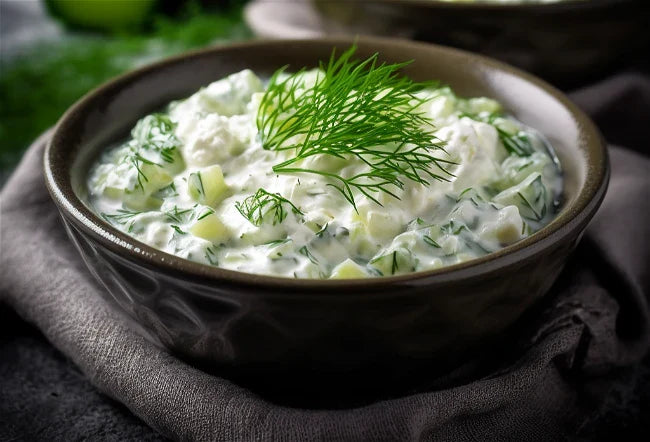
Cottage Cheese with Cucumber and Dill | Bariatric Soft Food Recipe

Chocolate Almond Butter Protein Smoothie | Bariatric Weight Loss Smoothie

Bariatric-Friendly Peanut Butter & Chocolate Chip Cookie Recipe


- Choosing a selection results in a full page refresh.