Your cart is empty


Clean Eating vs. Clinical Weight Loss: The Truth About Sweeteners and Protein Isolates
This has become a contentious or provocative topic in the health and wellness industry lately. We are often told that if you can't pronounce an ingredient, you shouldn't eat it. We are told to seek out "whole," "raw," and "clean" foods. While that is excellent advice for general wellness, and we certainly advocate for keeping clean ingredients and whole foods in your diet, medical weight loss and bariatric nutrition are different games entirely.
At Ambari Nutrition, our products have been staples in medical weight loss clinics and bariatric centers for decades. When you flip over our protein bars or shakes, you might see a long list of ingredients. You might see sweeteners like maltitol or protein isolates rather than "just almonds and honey."
This is not an accident. It is a formulation. After all, the most effective diet is the one you can actually stick to, and taste plays a huge role in that. Here is why clinical effectiveness sometimes looks different than a "clean label," and why that is actually better for your weight loss goals.
1. Balancing Sweeteners for Better Digestion
One of the biggest debates in the diet world is how to sweeten food without spiking insulin.
- Camp A: Wants "Sugar-Free" at all costs. This usually results in products loaded with high amounts of sugar alcohols (like Maltitol or Erythritol) or intense artificial sweeteners.
- Camp B: Wants "No Sugar Alcohols." They prefer real sugar, maple syrup, or honey because it is "natural."
The Clinical Blend Philosophy:
For a diabetic or bariatric patient, Camp A (sugar-free) can cause severe digestive distress (bloating/gas) because of too many sugar alcohols. Camp B (no sugar alchohols) can cause dangerous blood sugar spikes and "dumping syndrome" because real sugar, even natural honey, absorbs too fast.
We believe in Moderation Formulation. Instead of using zero sugar and high alcohol, or high sugar and zero alcohol, we often use a few grams of both.
By using a small amount of sugar (e.g., 4-6g) combined with a small amount of maltitol or other sweeteners, we achieve three goals:
- Taste Satisfaction: It tastes like real food, reducing cravings. (If you don't enjoy what you eat, you won't stay on the diet)
- Gut Health: The sugar alcohol content is low enough that it generally does not cause stomach upset.
- Blood Sugar Stability: The total glycemic load remains low, keeping you in a fat-burning state.
Our S'mores Protein Bar is a perfect example. It captures the nostalgic taste of chocolate and marshmallow that dieters miss, but because of the specific sweetener blend, it fits perfectly into a weight loss plan without the sugar crash.
2. Maximizing Protein While Minimizing Calories
Why do we use Protein Isolates (Soy, Whey, or Milk Protein Isolate) instead of just using nuts or beef?
If you eat a handful of almonds (a "clean" food) to get 15 grams of protein, you also have to eat roughly 17 grams of fat, totaling nearly 180+ calories.
In medical weight loss, calories act like currency. You have a limited budget. To get you 15 grams of protein for only 100-160 calories (and almost zero fat), we have to isolate the protein from the food source.
- Isolates are highly bio-available: They are absorbed quickly and efficiently by the body, which is crucial for bariatric patients who have reduced absorption capacity.
- Texture and Satiety: These ingredients are designed to expand in the stomach or digest at specific rates to keep you fuller longer than a "natural" snack might.
Research published in the American Journal of Clinical Nutrition confirms that higher protein intake promotes greater satiety and weight management compared to standard protein diets.
Take our Cinnamon Crisp Bars. The "crisp" texture is created using soy protein nuggets. This engineered ingredient allows you to enjoy a crunchy, cereal-like breakfast bar that delivers 15g of protein, whereas a standard granola bar would be mostly oats and sugar.
3. Understanding Nutrient Density and Fortification
There is a specific reason most Ambari Nutrition products sit comfortably in the 100 to 200 calorie range per serving. This "Magic Window" is essential for clinical weight loss protocols.
- The Calorie Math: To lose weight, many patients need to eat 5 to 6 times a day to keep their metabolism active. If you snack on "whole foods" (like cheese, nuts, or avocado), it is very easy to accidentally consume 400 calories in a single sitting. Our products are portion-controlled to ensure you get the protein you need without breaking your daily calorie limit.
- The Micronutrient Safety Net: When you reduce your food intake to lose weight, you are also reducing your vitamin intake. "Clean" empty calories (like rice cakes) offer zero nutrition.
This is why staples like our Chocolate Brownie Protein Shake and Strawberry Blast Smoothie remain best-sellers. They aren't just protein; they are fortified to act as a nutritional safety net, helping prevent fatigue during rapid weight loss.


4. Consistency and Portion Control for Long Term Success
"Clean" foods spoil. To make weight loss sustainable, food needs to be portable, shelf-stable, and consistent.
The preservatives or stabilizers found in medical-grade nutrition serve a vital purpose: Consistency. When you are on a strict medical protocol, you need to know that exactly 15g of protein is in that packet.
This allows for savory meal options that are ready in minutes. For example, our Spicy Cheesy Pasta uses functional ingredients to provide a comforting, hot pasta dish that is high in protein and portion-controlled - something nearly impossible to achieve with standard grocery store pasta.
5. Using Supplements Strategically Alongside Whole Foods
We are not suggesting you eliminate whole foods, vegetables, or healthy fats from your life. In fact, items like salmon, avocados, and olive oil are vital for long-term health even thought they are high in fats.
However, Ambari Nutrition products are designed to be used strategically.
Think of these products as tools in your toolbox. By using a controlled, low-calorie protein shake for breakfast and a bar for a snack, you "save" enough calories to enjoy a healthy, whole-food dinner with your family.
We simply provide the high-protein, low-calorie bridge that helps you get there without starving. This strategy is backed by science; a major analysis in the International Journal of Obesity found that meal replacement plans often yield superior weight loss results compared to standard reduced-calorie food diets because of improved adherence and portion control.
The Clinical Advantage

Trusting the Science Behind the Ingredients
There is a reason these products have been sold in doctor’s offices for decades: They work.
When the goal is significant weight loss, metabolic correction, or diabetic management, the macro-nutrient profile (High Protein, Low Fat, Low Glycemic Index) is the most important factor.
We don't prioritize buzzwords. We prioritize the science of satiety and blood sugar management. Sometimes, that means using a blend of sweeteners and protein isolates to create the perfect tool for your weight loss journey.

Why People on GLP-1s Are Using Bariatric Protein Shakes

Why Bariatric Patients Are Always Recommended Protein Shakes and Protein Bars

The Easy Diet for Bariatric Patients
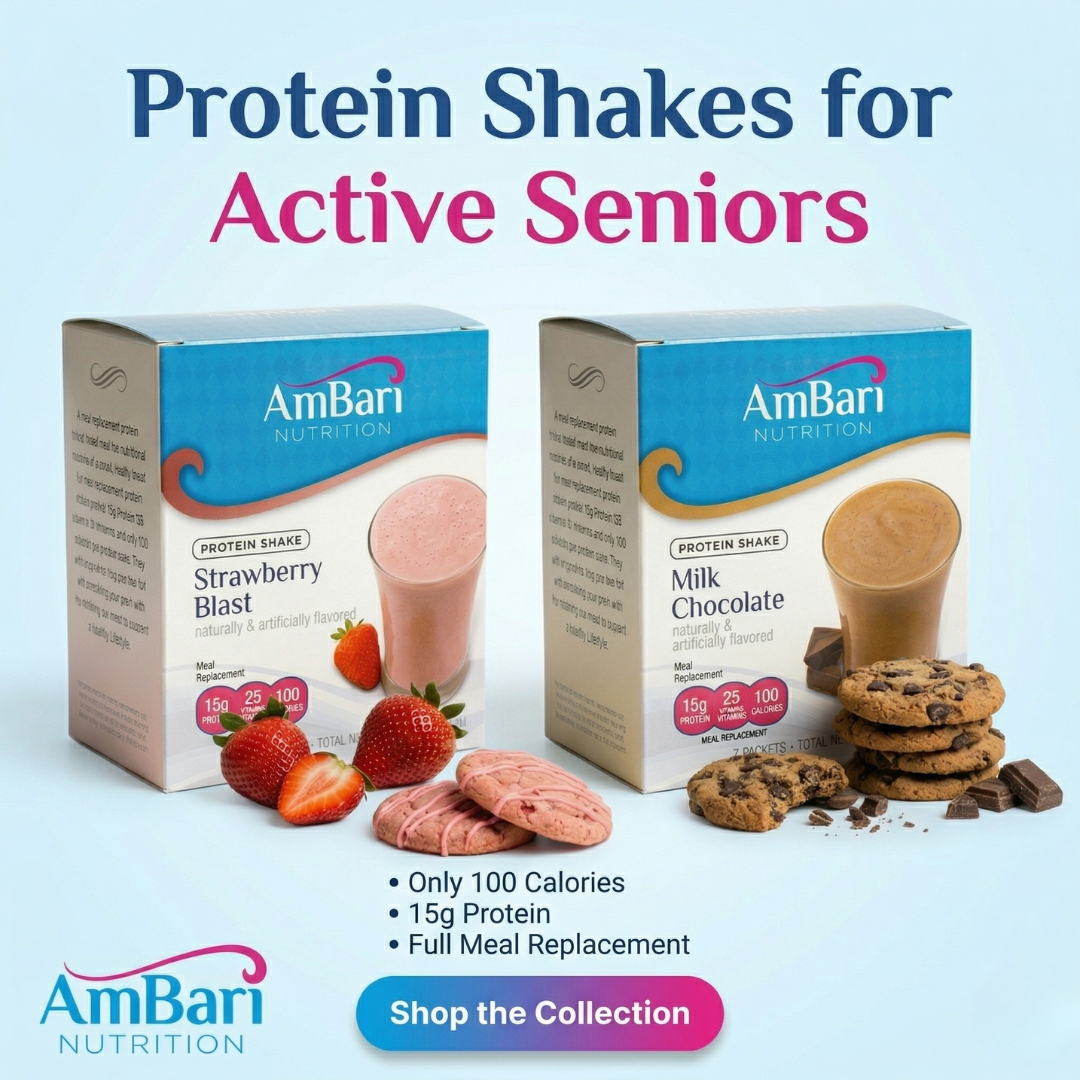
A Senior’s Guide to Choosing the Right Protein Drinks

TDEE Calculator for Weight Loss - Free & Simple To Use

Why Bariatric Protein Intake Goals Are Hard To It - (And How to Fix It)

Why Your Choice of Protein Matters After Bariatric Surgery

5 Things to Look For in a Protein Shake as a Bariatric Patient

The Protein Absorption Problem After Gastric Bypass

The Full Numetra Line Has Arrived at AmBari Nutrition
- Choosing a selection results in a full page refresh.