Your cart is empty


Bariatric Protein Bars
Our low-sugar, high-protein bariatric-friendly protein bars are designed specifically for post-op Gastric Bypass and Gastric Sleeve recovery while being easier to digest and gentler on your stomach.

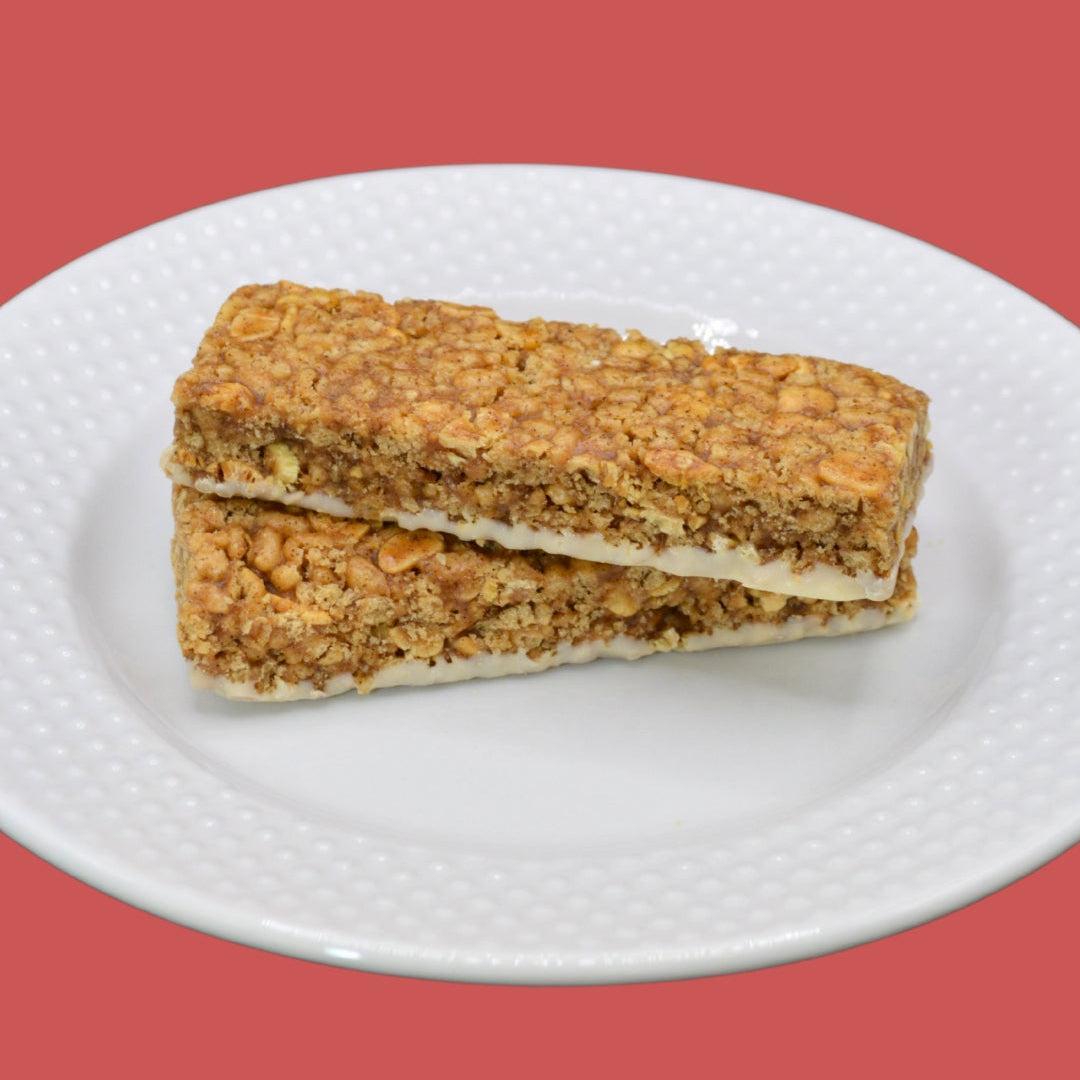


Salted Toffee Pretzel Bar - Proti-VLC
- Price
- $16.45
7 Bars per Box

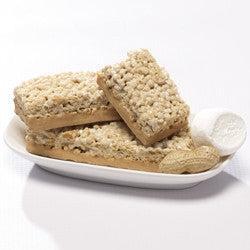
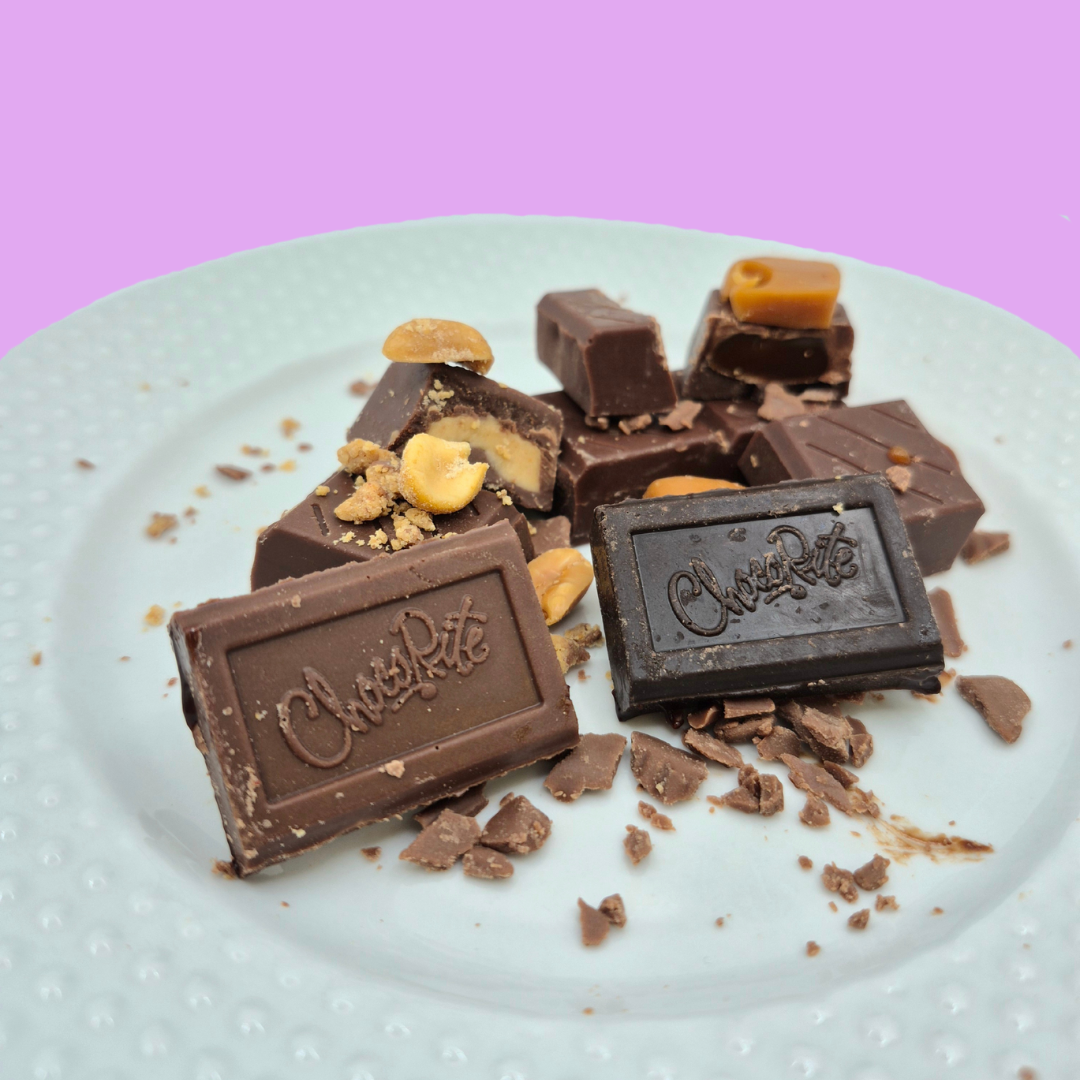
ChocoRite All-Natural Bars
- Sale price
- $8.95
- Regular price
- $9.45
5 Bars per Box

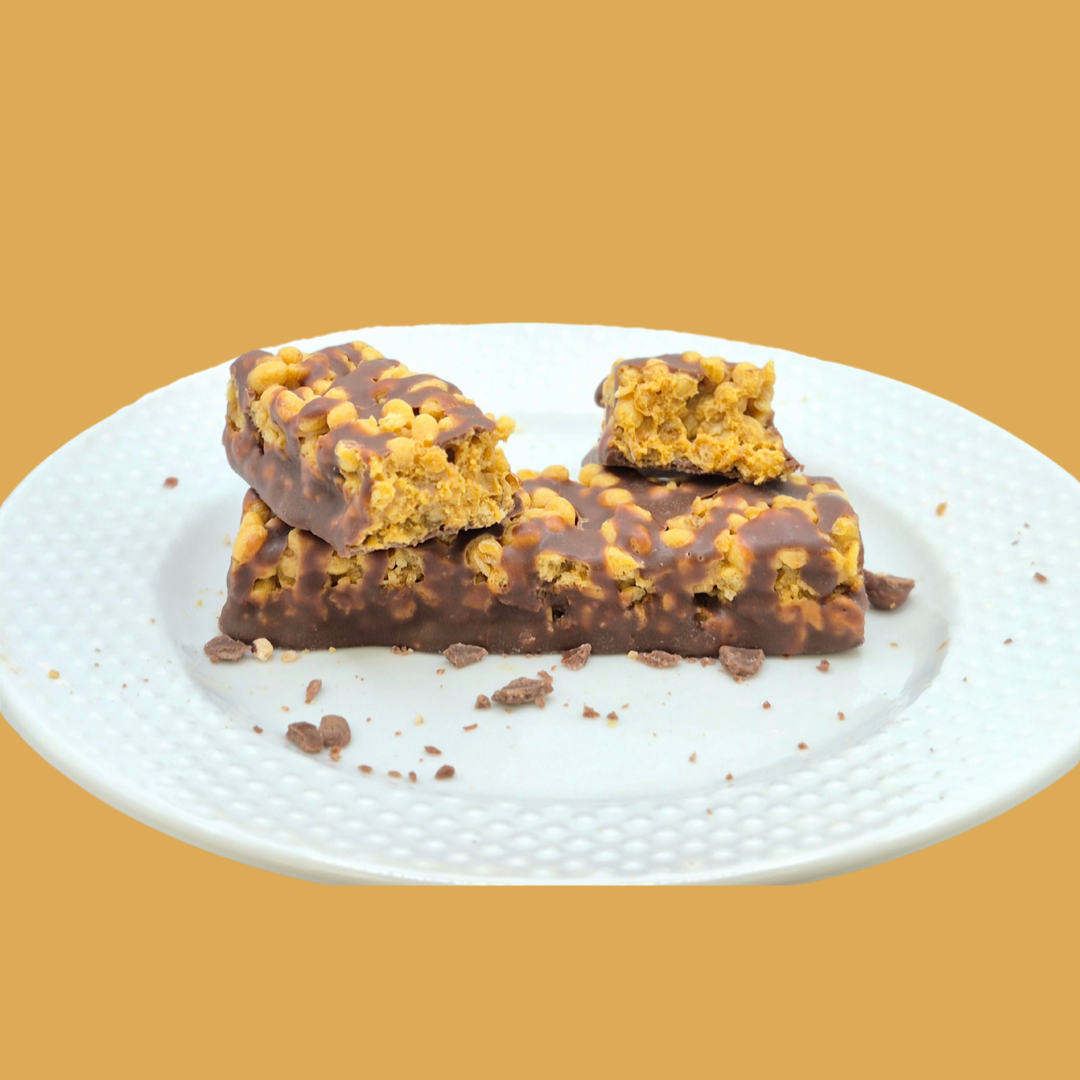
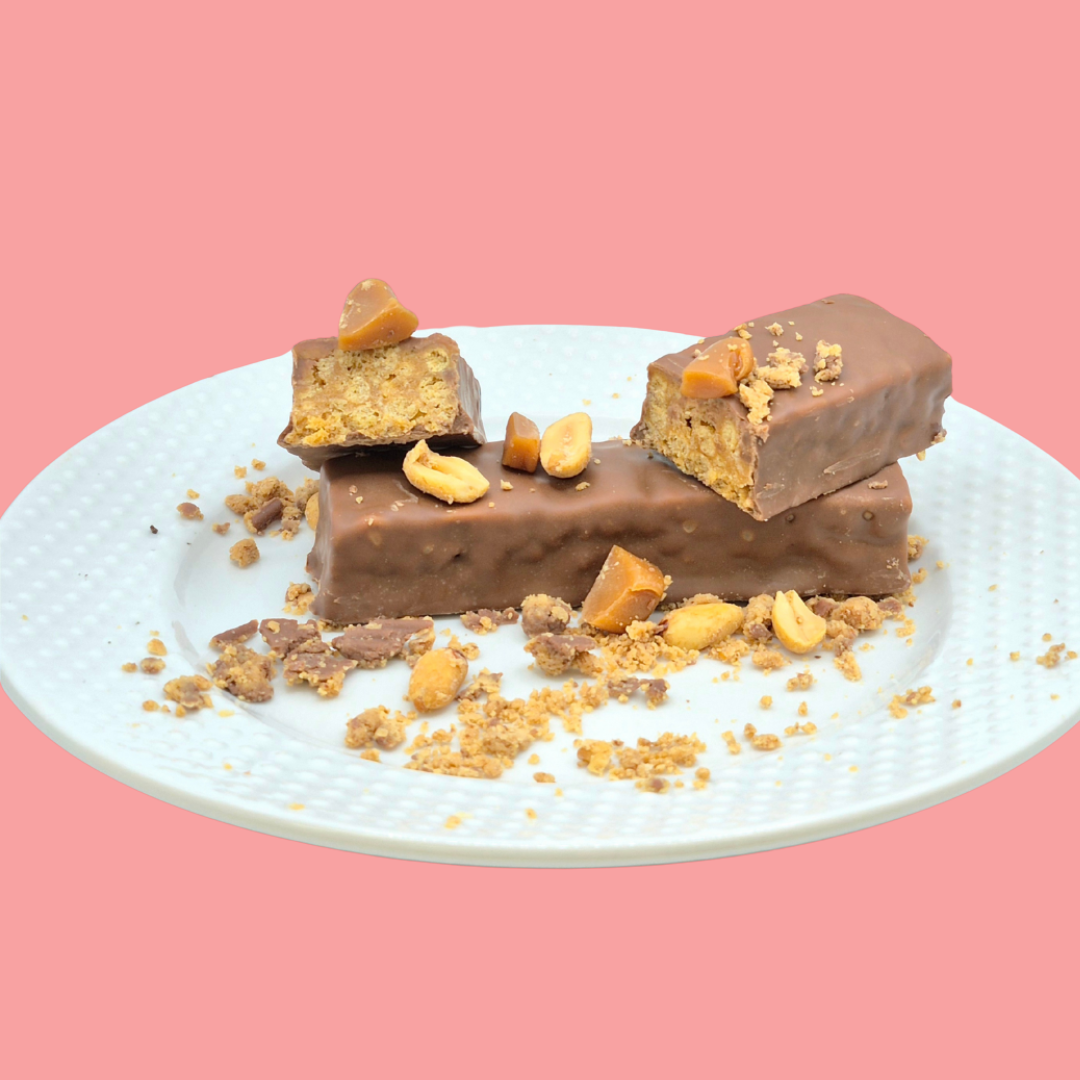
Peanut Butter & Caramel Bar - ProtiDiet
- Price
- $16.45
7 Bars per Box

AmBari Nutrition's Bariatric Protein Bars
Real reviews from real customers

Chocolate Caramel Wafer Bar
I eat one of these as a snack break almost every afternoon! Always yummy and is a perfect bridge between lunch and dinner!
- Benjamin A.

S'mores Protein Bar
So good, my favorite protein bar! Don't hesitate, this brand is amazing! Even my 3 and 5 year old love to steal these from me. I've tried SSOO many protein bars out there, and this brand is by FAR my favorite!
- Jamie Z.

Frosted Marshmallow Brownie Bars
I’m obsessed with these bars one of the best ones !
- Dawn T.

15g Protein Bar Variety Pack
The bars have become my go to for a quick healthy breakfast.
- Ronald B.

Proti Wafer Squares
The lemon and chocolate wafer bars are my favorite, but the raspberry wafer bars are good too. I enjoy the raspberry for a nice change.
- Charlotte R.

Salted Toffee Pretzel Bars
My personal favorite! I love this bar! It is just the right combo of salty, sweet, and toffee goodness.
- Laurie G.

By Dr. Kevin Huffman, Bariatric Physician
After 20+ years supporting bariatric patients, I've learned what works and what doesn't work for a post-op patient. There are so many options for protein out there, but the best bariatric protein bars check these boxes:
- High Protein: 15g per bar is ideal to meet 60-80g daily needs without too much protein at one time.
- Low Sugar: You don't have to eat sugar-free, but try to stay around 6g or less per meal or snack to avoid dumping syndrome (nausea, sweating, rapid heart rate, diarrhea).
- Fiber: Fiber is important, and any additional fiber from a protein bar is great, but try to get most of your daily fiber from vegetables. 2 or 3 grams of fiber in a protein bar is great.
- Low Calories: 150-200 per bar is the right size. Bars that have over 200 calories either have too many fillers/sugar or they are just too big in size for one serving post-op.
- Easy to Digest: Our bars were originally created specifically for bariatric patients. During the early months after surgery minimize sugar alcohols like maltitol or sorbitol.
-
Taste & Variety: If you have a favorite bar flavor try not to eat it too often or you may start to lose interest in that flavor. Mix in new flavors as much as you can.
Shop Related Bariatric Collections: All Bariatric Foods | Bariatric Protein Shakes | Bariatric Soups | Bariatric Breakfasts | Bariatric Meals | Bariatric Snacks | Bariatric Vitamins
"The best bariatric protein bars pack 15g+ protein, keep sugar around 5g or less, and taste like a treat, not a chore. That’s how you stay full, avoid dumping, and actually enjoy the journey."~ Dr. Kevin Huffman, Bariatric Physician

Frequently Asked Questions
When can I start eating protein bars after my bariatric surgery?
Most patients can introduce protein bars during the "solid food" stage of their recovery, which typically begins 8 to 12 weeks post-op. However, every surgeon's protocol is different. Because some bars can be dense, we recommend taking small bites and chewing thoroughly. Always consult your bariatric dietitian before introducing new solid foods.
Are these bars safe for Gastric Sleeve and Gastric Bypass patients?
Yes, this collection is curated specifically for bariatric patients. We prioritize bars that are high in protein (10-15g) and low in sugar (<6g) to align with standard bariatric guidelines. They are formulated to minimize the risk of dumping syndrome by avoiding excessive added sugars.
Will these bars cause "Dumping Syndrome"?
While individual tolerance varies, our collection features bars designed to prevent dumping syndrome. We focus on brands that use high-quality proteins and avoid high amounts of added sugars. If you are sensitive to sugar alcohols (like maltitol), look for our bars sweetened with Sucralose or Erythritol, which are generally better tolerated.
How do I count the carbs in these bars? (Net Carbs vs. Total Carbs)
Bariatric patients often track Net Carbs. You can calculate this by taking the Total Carbohydrates and subtracting Fiber and Sugar Alcohols. For example, a bar with 20g Total Carbs, 10g Fiber, and 5g Erythritol has only 5g Net Carbs. This helps maintain weight loss goals while ensuring you get enough fiber.
Can I use these protein bars as a meal replacement?
In the early stages of recovery, a protein bar may suffice as a meal due to your smaller stomach capacity. However, as you heal, these are best used as a smart snack to bridge the gap between meals or as "emergency nutrition" when you are on the go. They should not permanently replace whole, nutrient-dense meals.
The bar feels too dense for me. What should I do?
Texture sensitivity is common after surgery. If a bar feels too heavy, try cutting it into small, bite-sized pieces and eating it slowly over 20–30 minutes. You can also microwave certain bars for 10–15 seconds to soften them (just be sure to remove the wrapper first!).
- Choosing a selection results in a full page refresh.