Your cart is empty


5 Things to Look For in a Protein Shake as a Bariatric Patient
Finding the right protein shakes after weight loss surgery can be quite a challenge. There are so many more options out there nowadays compared to just five years ago. Dr. Huffman D.O., Bariatric Physician, has helped us identify five essential things to look for in a protein shake as a bariatric patient to make shopping simpler, and avoiding digestive discomfort.
1. The Right Balance of Protein and Calories
A common mistake is picking a shake that has too many calories from sugar or fat. You want to make sure you get enough protein without slowing down your weight loss. A perfect ratio is about 15 grams of protein for every 100 calories. This is the right ratio, but also is the ideal size shake serving for a bariatric patient. Some popular protein shakes, but at 30g protein to 200 calories, have the same protein/calorie ratio, but can be too dense for your stomach and cause bloating issues, or can just be too big of a serving for a smaller bariatric pouch.

2. The Ideal Protein Sources
Not all protein is the same, especially for bariatric patients. Dr. Huffman recommends two main types: Calcium Caseinate and Whey Protein Isolate. They both help your body but can be utilized in different ways.
- Calcium Caseinate: This slow-digesting protein turns into a thick gel that stays in your pouch longer, which helps prevent the constant hunger often felt between small bariatric meals. By providing a steady stream of nutrients over several hours, it keeps you feeling full and satisfied while protecting your body from muscle loss throughout the day.
- Whey Protein Isolate: Whey Protein Isolate is a top choice for bariatric patients because its pure form passes quickly through your smaller stomach and into the bloodstream. This rapid absorption is perfect for the morning or after a walk because it immediately delivers the nutrients your body needs to stay strong during fast weight loss.
3. Avoiding Too Much Sugar and Sugar Alcohols
High sugar intake can trigger dumping syndrome, which happens when sugar moves too quickly from your stomach pouch into your small intestine. This causes your body to react intensely, leading to a racing heart, cold sweats, nausea, and severe shakiness that can last for hours.
Many shakes that say they are sugar free use something called sugar alcohols. You might see names like Maltitol or Sorbitol on the label. These can cause a lot of bloating, gas, and diarrhea for certain people, but in others this might not be an issue at all with sugar alcohols. So next time you have a bad bloating and gas issue, check the ingredients of the last few things you ate.
Too much sugar can also cause your body to store fat and trigger a cycle of hunger, which can start a tough cycle to break (Ludwig & Ebbeling, 2018).
4. Added Vitamins and Minerals
After surgery, your body has a harder time getting vitamins from food. This is why a good protein shake should be fortified. This means extra vitamins and minerals have been added into the protein powder. Mainly look for shakes that include Vitamin B12, Iron, Calcium, and Vitamin D, as these are the most common deficiencies seen after surgery (Sherf Dagan et al., 2017).
Even though you still need to take your daily vitamins, a fortified shake acts like a backup plan. Since you are eating much less than before, these extra nutrients help keep your hair, skin, and energy levels in good shape while you lose weight.
5. Good Taste and Texture
If you do not like the taste of a shake, you probably will not drink it. It is important to find one that you actually enjoy so you can stick with your diet plan. Many patients find that some shakes feel chalky, can be slimy, or will leave a bad taste in their mouth.
Try a few different brands to find a smooth one. Some people like thick shakes that taste like chocolate milk, while others prefer protein drinks that look and taste like fruit juice. Finding a flavor you like makes it so much easier to get your protein in every single day.

Final Thoughts on the Perfect Bariatric Protein Shakes
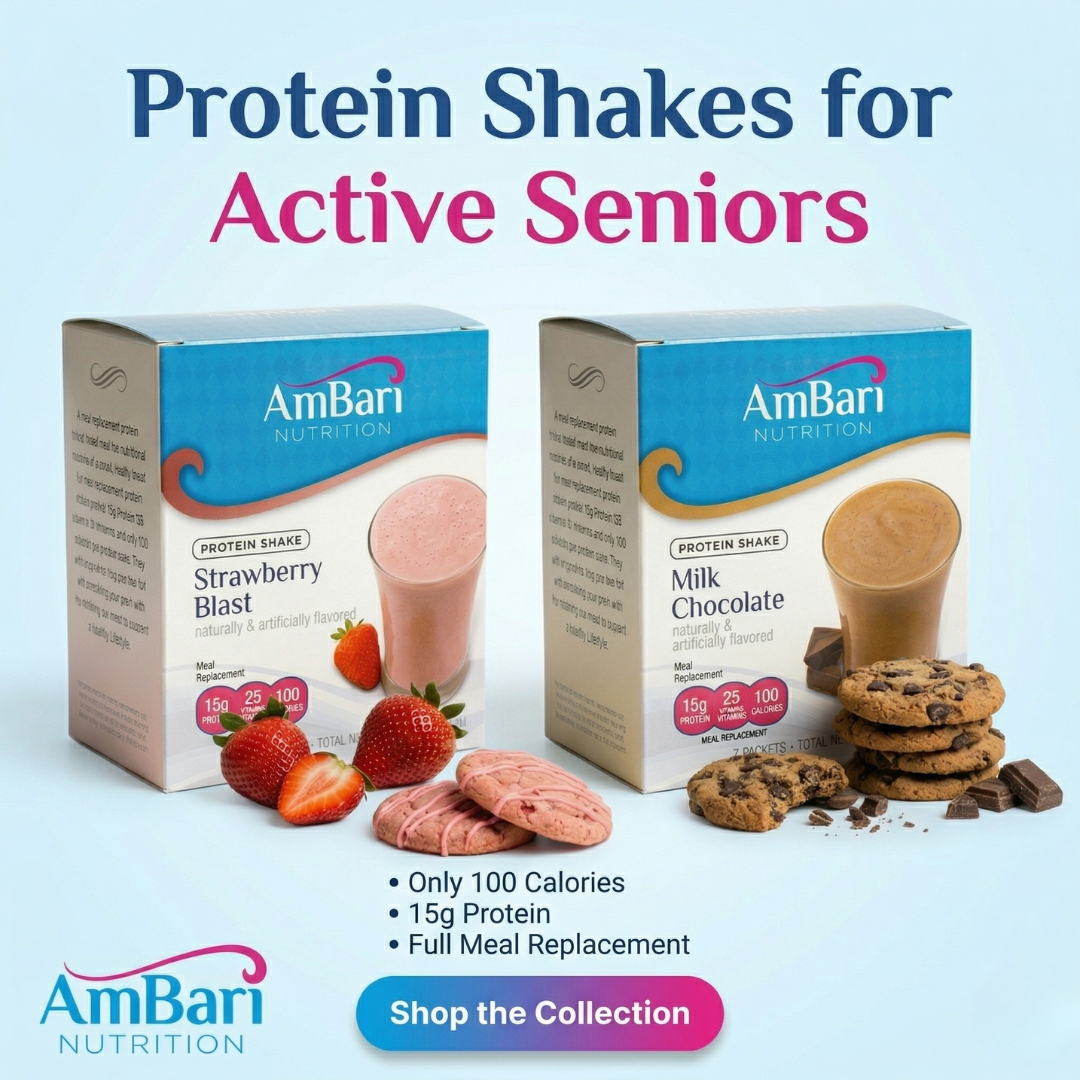
Finding a shake that checks every single one of these boxes can be a challenge, but Ambari Nutrition has designed their protein shakes specifically with the bariatric patient in mind. Their shakes hit the "golden ratio" of 15g of protein per 100 calories, providing the perfect serving size that is gentle on your smaller stomach pouch without causing the discomfort or bloating often found in larger, denser drinks.
With a focus on smooth textures and delicious flavors, AmBari shakes are made with high quality Calcium Caseinate to stop midday hunger, as recommended by Dr. Huffman. These formulas are fortified with essential vitamins and minerals to support your recovery, and they prioritize digestive-friendly sweeteners and low total sugar to help you avoid dumping syndrome issues. So check out AmBari’s complete collection of high-protein bariatric meal replacement shakes and find your new favorite!

Why People on GLP-1s Are Using Bariatric Protein Shakes

Why Bariatric Patients Are Always Recommended Protein Shakes and Protein Bars

The Easy Diet for Bariatric Patients
A Senior’s Guide to Choosing the Right Protein Drinks

TDEE Calculator for Weight Loss - Free & Simple To Use

Why Bariatric Protein Intake Goals Are Hard To It - (And How to Fix It)

Why Your Choice of Protein Matters After Bariatric Surgery

5 Things to Look For in a Protein Shake as a Bariatric Patient

The Protein Absorption Problem After Gastric Bypass

The Full Numetra Line Has Arrived at AmBari Nutrition
- Choosing a selection results in a full page refresh.